
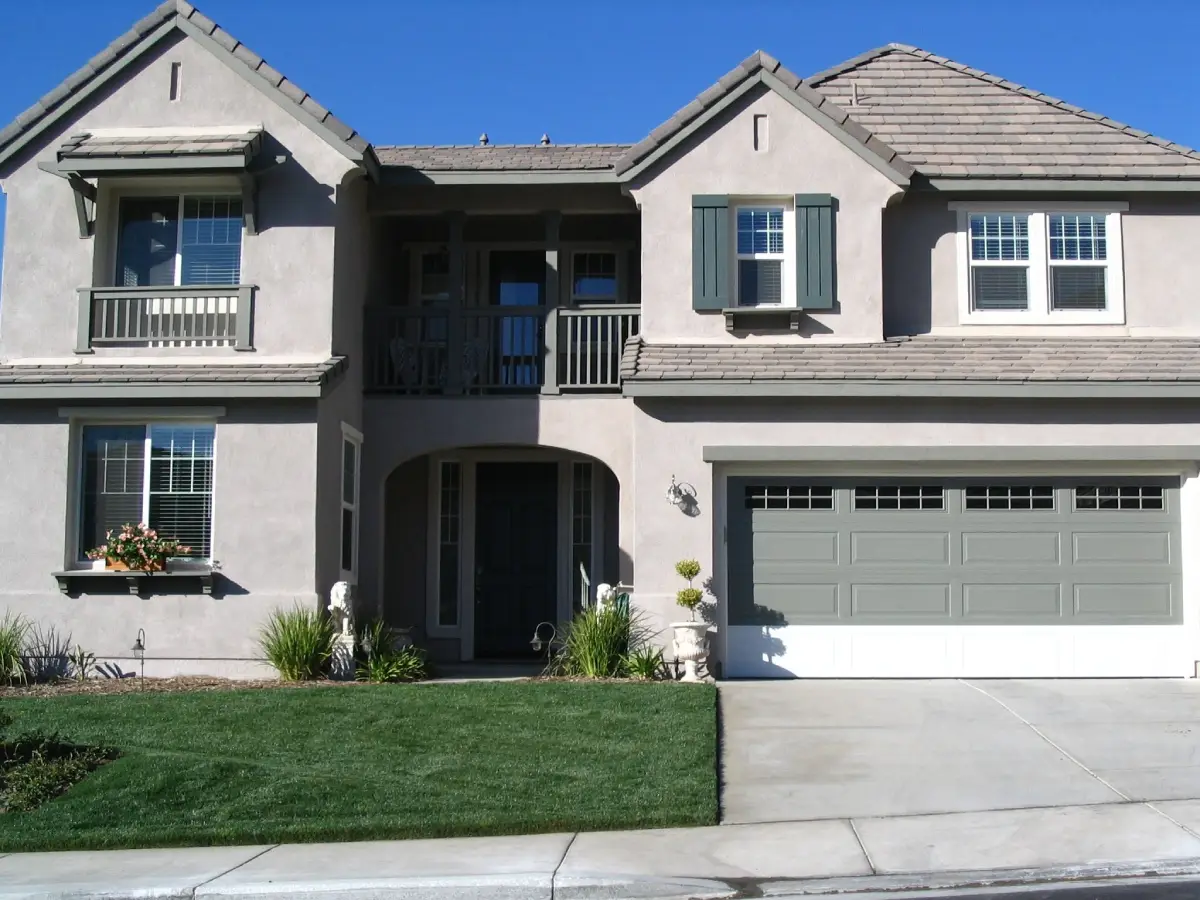
The arrival of winter in Upper Marlboro can feel like a sudden switch. One day, the air is crisp and bright, and the next, freezing raincoats driveways and roofs. For landlords, this shift means one thing; every property needs to be ready before the chill sets in. Pipes, roofs, and heating systems all face heavier demands, and when they fail, repair costs skyrocket. The best defense is a proactive one that begins long before the first frost. You can stay ahead of problems by combining early inspections, smart upgrades, and consistent tenant communication. For ideas that help streamline your plan, review this local vendor maintenance guide.
Key Takeaways
- A proactive winter plan protects property value and tenant satisfaction.
- Early maintenance prevents emergencies and keeps systems efficient.
- Weatherproofing reduces energy loss and lowers heating bills.
- Strong communication with tenants minimizes winter-related issues.
- Professional management helps ensure reliable, on-time service.
The Pre-Winter Inspection Routine
Before temperatures start dropping, give your rental properties a complete once-over. This early walkthrough identifies potential risks and sets a maintenance schedule.
Focus on Efficiency First
Start by inspecting insulation in attics, walls, and crawl spaces. Heat loss often comes from poorly insulated areas, so sealing gaps and adding insulation is an easy win for both comfort and energy efficiency. Replace worn weather stripping, check door frames, and make sure window locks are tight.
Double-Check Safety Equipment
Smoke and carbon monoxide detectors are crucial in winter, especially when heating systems run constantly. Test every unit and log the replacement dates of batteries. Small steps like these can prevent major safety concerns later.
Keeping Heating Systems Reliable
Cold-weather comfort depends on a dependable furnace or heat pump. Schedule professional HVAC maintenance in the early fall to guarantee your systems can handle continuous operation.
A complete service should include:
- Filter replacement and duct cleaning.
- Heat exchanger inspection for cracks or leaks.
- Blower motor testing and lubrication.
- Thermostat recalibration.
Regular servicing prevents breakdowns during the coldest nights. If you’re curious about how professional oversight helps manage repairs, check out this resource on maintenance best practices for property owners.
Preventing Plumbing Freezes and Leaks
When temperatures dip below freezing, pipes can quickly become one of the biggest liabilities. Protecting them is easier than dealing with water damage later.
The basics of pipe protection
- Insulate all exposed pipes, especially near exterior walls and in crawl spaces.
- Maintain indoor heat above 55°F, even in vacant properties.
- Encourage tenants to open sink cabinets and drip faucets during extreme cold.
- Label shutoff valves clearly so tenants can respond to emergencies fast.
Proactive communication is essential. Send a seasonal notice reminding tenants of cold-weather protocols and how to report potential issues like frost buildup or low water pressure.
Roofs, Gutters, and Drainage Maintenance
Maryland winters can bring a mix of snow, rain, and ice, all of which test your property’s roofing system. Have gutters cleaned before the season starts to prevent ice dams and overflowing water that damages siding.
For the roof, inspect for:
- Missing or curling shingles.
- Loose flashing around chimneys or vents.
- Leaks or soft spots that could trap moisture.
If your roof is due for replacement or repair, schedule work early. Contractors get booked quickly as winter approaches.
Weatherproofing for Energy Savings
Energy-efficient upgrades pay off year-round, but they’re especially valuable in winter. Simple changes can reduce heat loss and keep tenants comfortable.
- Apply caulk to seal gaps around windows and outlets.
- Use insulating film on large glass surfaces.
- Add door sweeps to block cold drafts.
Encourage tenants to close blinds at night to retain warmth and open them during the day to let in natural heat. Even these small habits can make a noticeable difference in energy costs.
Outdoor Areas and Winter Safety
Exterior safety often gets overlooked, but it’s one of the most visible parts of a property. Clear out debris, trim branches near power lines, and secure patio furniture before snow arrives.
To avoid slip-and-fall incidents:
- Keep a supply of pet-safe ice melt available.
- Inspect handrails and steps for stability.
- Establish a clear snow removal schedule with your vendor or tenants.
Documentation matters too. After each major storm, take quick photos of cleared walkways for your records.
Fireplaces, Chimneys, and Indoor Comfort
A working fireplace adds cozy appeal but must be inspected before tenants use it. Schedule annual chimney cleanings to remove soot and ensure good airflow. For gas fireplaces, check for leaks, pilot light reliability, and carbon monoxide detection.
Provide tenants with a brief fireplace use guide, covering things like how to open the flue, dispose of ashes safely, and store firewood properly.
Improving Insulation and Ventilation
Poor ventilation and insulation can create condensation, mold, and uncomfortable drafts. Insulate attic doors, rim joists, and basements to prevent heat loss. Ensure vents aren’t blocked by furniture or drapes, which helps maintain even airflow throughout each unit.
If properties remain empty for part of the season, schedule periodic inspections to confirm temperatures stay stable and pipes remain secure. For an added layer of protection, schedule ongoing monitoring and seasonal maintenance services to ensure every system stays functional through the coldest months.
Setting Up an Emergency Response Plan
Even with the best preparation, unexpected issues can occur. A solid emergency plan keeps problems under control and reassures tenants.
Your plan should include:
- A clear communication chain for maintenance emergencies.
- Vendor contact information for after-hours support.
- A backup heating solution in case of power loss.
Send this information to tenants at the start of winter and post it in visible areas, like near breaker panels or entryways. Preparation now can make all the difference during a major storm.
FAQs about Winter Upkeep in Upper Marlboro, MD
When should landlords start winter maintenance?
Plan inspections and upgrades in early fall, around late September or October, so systems are ready before freezing temperatures arrive.
What’s the easiest way to stop pipes from freezing?
Add insulation to exposed lines, keep the property consistently heated, and let faucets drip slightly during extreme cold to prevent internal pressure buildup.
Are landlords required to provide heat in Maryland?
Yes, state housing laws require landlords to ensure a safe and habitable indoor temperature for tenants throughout the winter months.
How can property owners handle snow emergencies?
Keep vendor contact lists updated, respond quickly to tenant reports, and document all snow removal activities for liability protection.
How often should chimneys or gas fireplaces be serviced?
Schedule annual cleanings and safety checks before heavy use begins each winter to avoid buildup, blockages, and gas leaks.
Stay Ahead of the Chill With Expert Support
A strong winter maintenance plan combines inspection, preparation, and consistent tenant care. With reliable systems and proactive scheduling, landlords can minimize risk, lower costs, and maintain satisfied tenants all winter long.
At PMI Experience, we simplify the process by coordinating inspections, managing vendor communication, and overseeing every seasonal repair. To keep your rentals safe, efficient, and well-cared-for this winter, schedule professional winter property support and let our experienced team help your properties stay warm through every Maryland cold front.
